Here's what the core machines actually cost in 2026.
Excavators
The 20-ton class (Cat 320, Komatsu PC210, Deere 210) is the industry's volume segment — the machine that does the most work on the most job sites.
- New: $220,000–$300,000 depending on configuration. The base machine is the starting point; hydraulic quick couplers ($8,000–$12,000), additional auxiliary hydraulics, grade control systems ($15,000–$40,000 for 2D/3D), and premium cabs push the equipped price significantly.
- 3-year-old, low hours (<3,000): $150,000–$200,000. The sweet spot for value buyers — modern emissions systems, remaining warranty on some components, 35–40% off new.
- 7-year-old, mid hours (5,000–7,000): $90,000–$140,000. The workhorse market. Well-maintained machines in this bracket deliver years of productive life.
- 10+ years: $50,000–$90,000. Condition is everything. A clean 2014 with documented maintenance beats a rough 2018.
The 30-ton class (Cat 336, Komatsu PC360) runs roughly 30–40% above 20-ton pricing across all age brackets. New: $290,000–$380,000 equipped.
Dozers
Dozers (Cat D6, Komatsu D65, Deere 750) occupy a narrower market — fewer buyers, less price transparency, wider spreads.
- New D6-class: $380,000–$480,000. Dozers are expensive relative to their size because the undercarriage — tracks, rollers, idlers — represents enormous manufacturing cost.
- 3-year-old: $240,000–$320,000.
- 7-year-old: $140,000–$200,000. Critical: undercarriage condition determines value more than hours. A dozer at 60% undercarriage remaining is worth $30,000–$50,000 more than an identical machine at 20%. Always get an undercarriage measurement.
- 10+ years: $80,000–$140,000.
The undercarriage point deserves emphasis. On a dozer, undercarriage replacement costs $40,000–$70,000. Buyers who ignore the UC report are gambling with the largest single maintenance expense on the machine.
Wheel Loaders
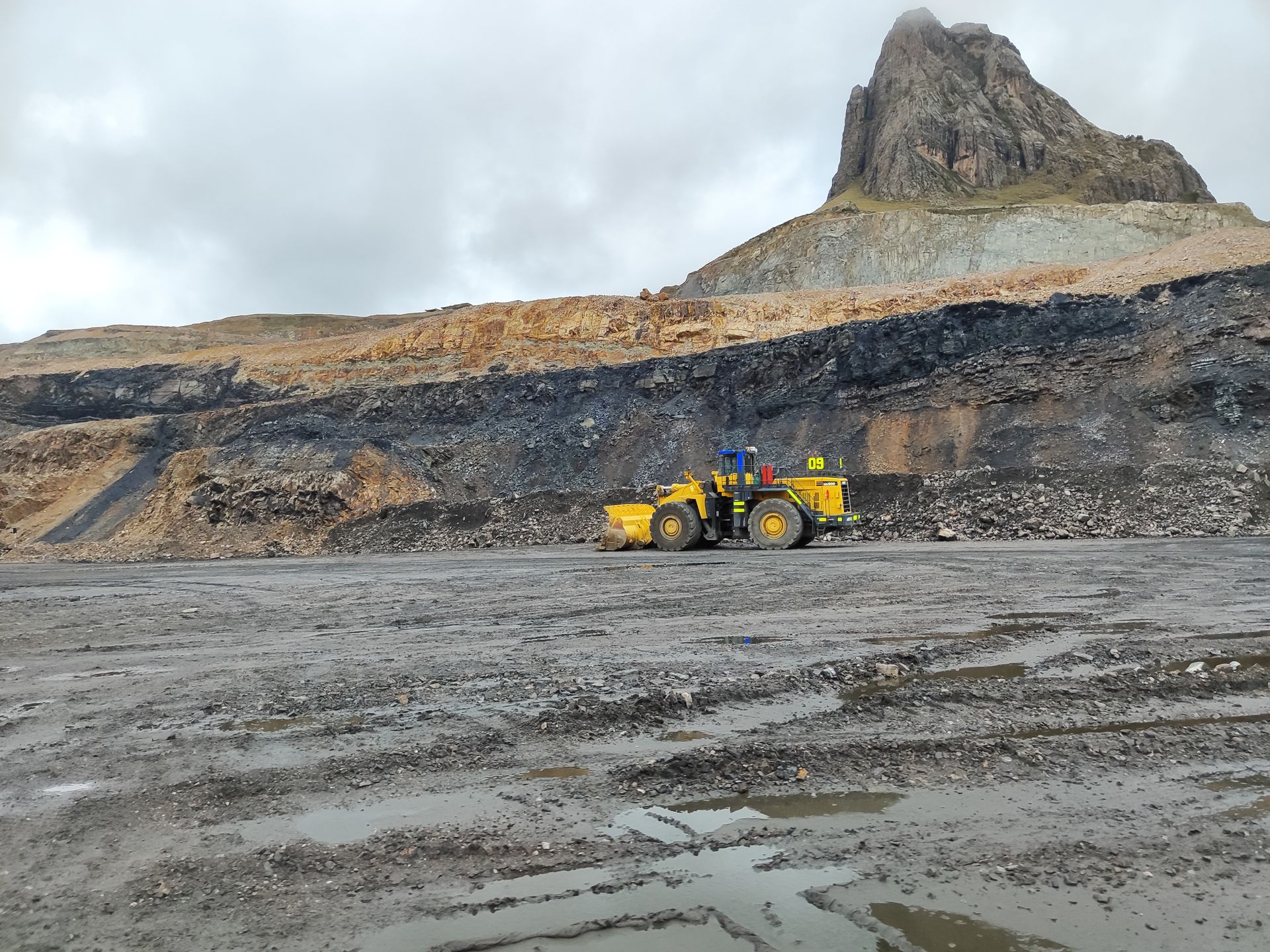
The 3-yard class (Cat 950, Komatsu WA380, Deere 624) is the most liquid used market — high volume, good price discovery.
- New: $280,000–$360,000 equipped.
- 3-year-old: $180,000–$240,000.
- 7-year-old: $110,000–$160,000.
- 10+ years: $65,000–$110,000.
Loaders depreciate faster than excavators in early years (more competition, more rental fleet turnover flooding the used market) but stabilize well. A clean 8-year-old loader from a major brand is one of the safest used equipment purchases.
What's Moving Prices in 2026
Emissions regulations. Tier 4 Final machines (2015+) command significant premiums over Tier 3 machines in regulated markets. In California and the Northeast, the spread can exceed 30% on equivalent machines. As more jurisdictions tighten, this premium is structural, not cyclical.
Interest rates. Equipment is overwhelmingly financed. The rate environment directly affects buying power — a 200-basis-point rate increase on a $300,000 machine financed over 5 years adds roughly $18,000 in total interest. Higher rates push buyers toward used, supporting used values.
Infrastructure spending. The IIJA (Infrastructure Investment and Jobs Act) continues disbursing through 2026, supporting demand for road-building equipment specifically. Dozers, motor graders, and pavers in infrastructure corridors carry regional premiums.
Technology premium. Machine control (GPS grading) adds $25,000–$50,000 to new prices and holds value well in resale — a used dozer with 3D grade control sells faster and for more than an equivalent machine without it. Technology isn't just a cost; it's a value-retention feature.
"In equipment, the cheapest machine is rarely the least expensive. Purchase price is one chapter. Maintenance history, parts availability, and resale value write the rest of the story."
The Bottom Line
Heavy equipment pricing rewards knowledge and punishes haste. The spread between a well-bought and poorly-bought machine — same model, same year — routinely exceeds 20%. In a $300,000 purchase, that's $60,000 determined by timing, inspection quality, and negotiating leverage. The data exists to buy well. Most buyers just don't use it.
EquipmentPricing.com is available for acquisition — the pricing intelligence layer for heavy equipment.